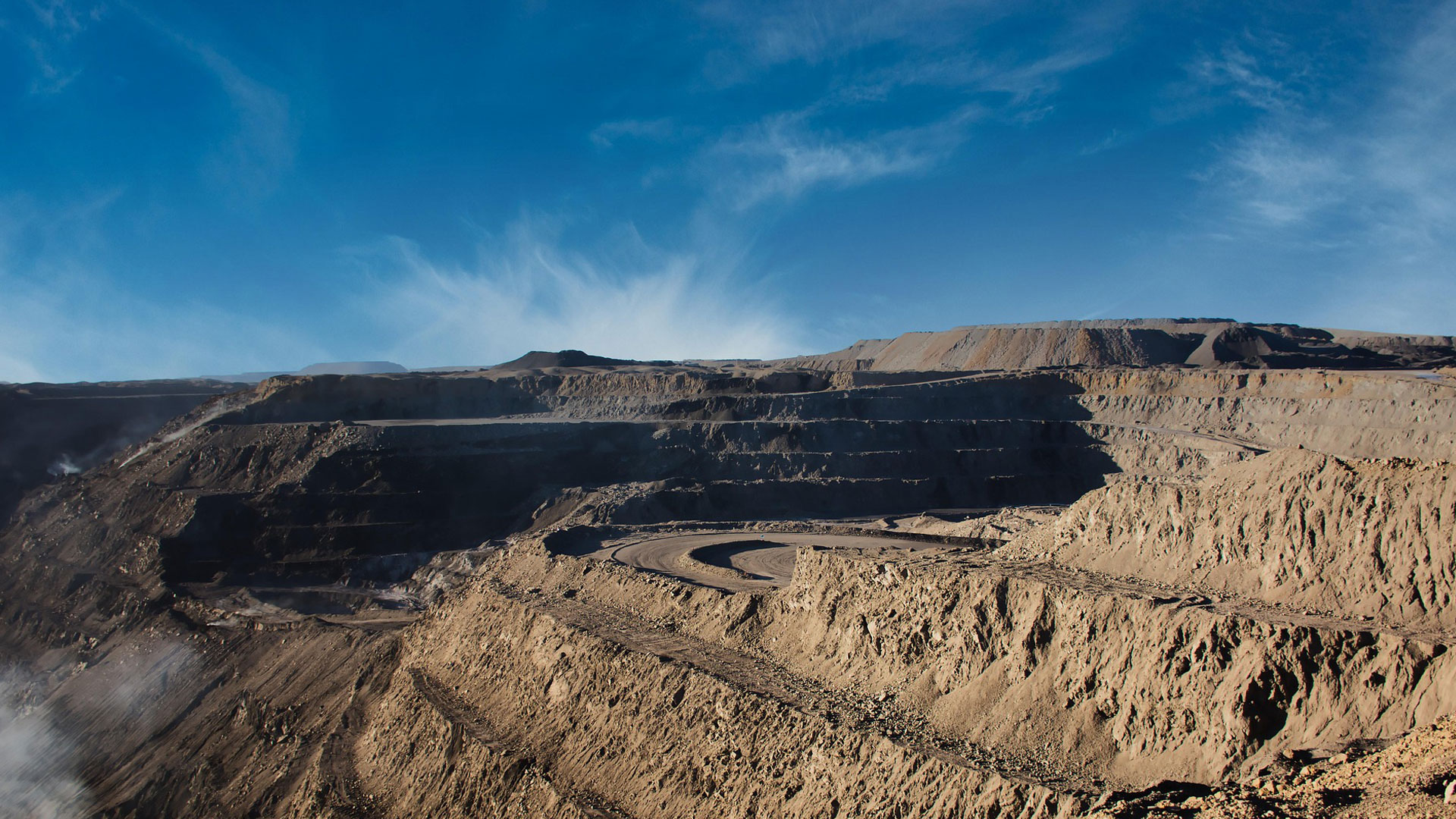

Understanding Kenya's Mineral Landscape
Kenya is rich in a variety of minerals, including gold, titanium, and gemstones, making it a promising hub for mining and exploration. With the right strategies and methodologies, both local and international investors can tap into this wealth.
Key Steps in Mineral Exploration
Exploration is the initial step to uncovering mineral resources. Here are the essential steps we undertake:
- Geological Mapping: Understanding the surface geology to identify potential mining sites.
- Geophysical Surveys: Using technology to analyze subsurface features that may hold minerals.
- Sampling and Assaying: Collecting samples for laboratory analysis to determine mineral composition and viability.
Resource Evaluation Techniques
Once an area is identified, thorough resource evaluation is crucial. This helps in estimating the size and quality of the mineral deposits. The techniques include:
- Drilling: Extracting core samples to analyze the mineral content.
- Statistical Modelling: Using software to predict the volume and grade of resources.
Conducting Feasibility Studies
Feasibility studies are important to assess whether a mining project is economically viable. Important components include:
- Market Analysis: Understanding global demand and pricing for the targeted minerals.
- Cost Estimation: Evaluating the costs of extraction, processing, and environmental management.
- Financial Modeling: Projecting revenues and costs to understand profitability.
Implementing Sustainable Mining Solutions
Adopting eco-friendly practices is essential for the long-term success of mining operations. Some sustainable practices include:
- Minimal Land Disruption: Keeping the mining footprint as small as possible to preserve local ecosystems.
- Waste Management: Properly disposing of waste materials to prevent soil and water contamination.
- Community Engagement: Consulting with local communities to understand their needs and involve them in the benefits of mining.
Case Studies of Successful Mining Projects in Kenya
Several mining projects in Kenya exemplify effective practices:
- Kakamega Gold Project: Backed by thorough geological surveys and community initiatives, this project has successfully attracted investments.
- Kwale Mineral Sands: This project highlights the importance of sustainable practices in mining and has managed to balance profitability with environmental responsibility.
Conclusion
Mining in Kenya holds incredible potential, but it requires careful planning and evaluation. By following a structured approach to exploration, resource evaluation, and sustainable practices, investors can unlock the mineral wealth of the nation while ensuring the well-being of local communities and the environment.